
Are your periods becoming irregular? Do you suddenly feel hot, anxious, tired, or emotionally overwhelmed without understanding why? Are you wondering whether these changes are a normal part of aging or signs of a health problem?
If these questions sound familiar, you are not alone. Many women experience physical and emotional changes during their late 30s and 40s but often do not realize that they may be entering perimenopause. This is a natural transitional phase before menopause, but it should never be ignored. With the right guidance, timely treatment, healthy nutrition, and lifestyle modifications, women can navigate this phase comfortably while maintaining excellent physical and emotional health.
What is Perimenopause?
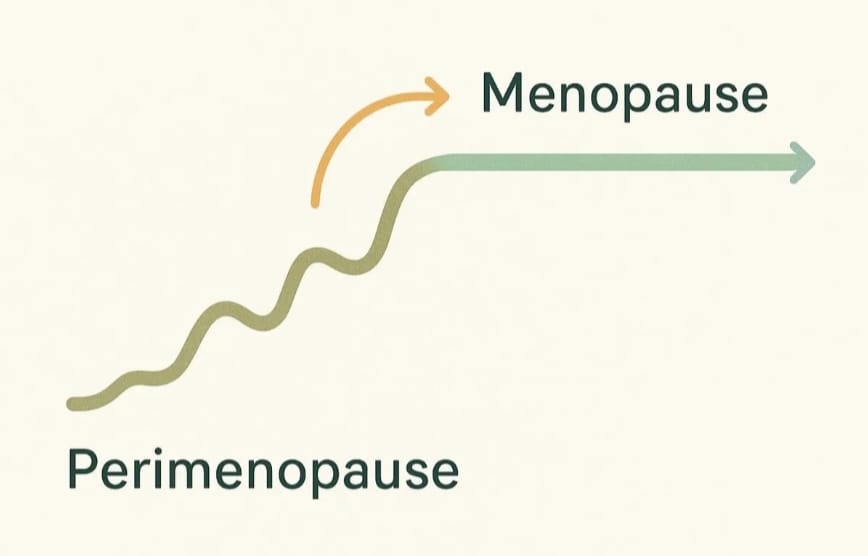
Perimenopause means “around menopause.” It is the natural transition period before menopause when the ovaries gradually produce less estrogen and progesterone.
It usually begins between:
- 40-45 years in most women.
- Some women may experience it as early as 35-39 years.
- It continues until menopause, which is confirmed after 12 consecutive months without menstruation.
The duration of perimenopause varies from 2 to 8 years, depending on individual hormonal changes.
Common Complaints During Perimenopause :
Hormonal fluctuations can affect almost every organ system in the body.
1.Menstrual Changes
- Irregular menstrual cycles
- Heavy menstrual bleeding
- Scanty periods
- Frequent or delayed periods
- Spotting between periods
2. Vasomotor Symptoms
- Hot flashes
- Night sweats
- Sudden warmth over the face and body
- Excessive sweating
3. Sleep Disturbances
- Difficulty falling asleep
- Frequent night awakenings
- Poor-quality sleep
- Morning fatigue
4. Emotional Changes
- Mood swings
- Irritability
- Anxiety
- Depression
- Emotional sensitivity
- Difficulty concentrating
5. Brain and Memory Changes
- Forgetfulness
- Reduced concentration
- Brain fog
- Poor work performance
6. Physical Changes
- Weight gain, especially around the abdomen
- Joint pain
- Muscle stiffness
- Fatigue
- Reduced energy
7. Skin and Hair Changes
- Hair fall
- Dry skin
- Brittle nails
- Wrinkles
- Loss of skin elasticity
8. Sexual and Urinary Changes
- Vaginal dryness
- Pain during intercourse
- Reduced libido
- Frequent urinary infections
- Urinary urgency
- Mild urine leakage
9. Bone and Muscle Health
- Decreasing bone density
- Muscle weakness
- Increased risk of osteoporosis
- Back pain
Why is Extra Care Needed During Perimenopause?
Perimenopause is not just about irregular periods—it is a crucial phase that influences long-term health.
Proper care during this stage can help reduce the risk of several chronic health conditions.
Extra care is important because it helps to:
- Maintain hormonal balance naturally.
- Reduce troublesome menopausal symptoms.
- Improve sleep quality.
- Support emotional well-being.
- Maintain healthy body weight.
- Protect bone health and prevent osteoporosis.
- Reduce the risk of heart disease.
- Prevent metabolic disorders like diabetes.
- Support thyroid health.
- Improve pelvic floor strength.
- Maintain vaginal and urinary health.
- Improve quality of life.
How Can We Prevent Female Health Problems During Perimenopause?
Although perimenopause is natural, many complications can be minimized with early intervention.
Focus on:
- Regular health check-ups.
- Timely treatment of menstrual abnormalities.
- Maintaining a healthy weight.
- Daily physical activity.
- Balanced nutrition.
- Adequate calcium and vitamin D intake.
- Good sleep hygiene.
- Stress management.
- Pelvic floor exercises.
- Avoiding smoking and excessive alcohol.
- Regular breast and cervical screening.
- Monitoring blood pressure, blood sugar, thyroid function, and cholesterol.
How Can Homoeopathy Help During Perimenopause ?
Homoeopathy aims to treat the individual rather than just suppress symptoms. A carefully selected constitutional medicine may help improve overall well-being while addressing emotional and physical complaints.
Note: Homoeopathic medicines should always be prescribed after a detailed case evaluation by a qualified homoeopathic physician.
Commonly Used Homoeopathic Medicines and Their Indications :
1. Sepia
Suitable for women who feel exhausted, emotionally detached, irritable, experience pelvic heaviness, irregular periods, and hot flashes.
2. Lachesis
Often considered for intense hot flashes, excessive sweating, left-sided complaints, mood swings, and symptoms that worsen before menstruation.
3. Pulsatilla
Commonly selected for mild, emotional women with delayed or irregular periods, mood changes, and symptoms that improve with fresh air.
4. Calcarea Carbonica
May suit women with weight gain, fatigue, excessive sweating, anxiety, and heavy menstrual bleeding.
5. Sulphur
Frequently considered for women with heat intolerance, burning sensations, skin complaints, and hot flushes.
6. Ignatia
Often indicated when grief, emotional stress, mood fluctuations, or anxiety are prominent.
7. Cimicifuga (Actaea Racemosa)
May be helpful when emotional symptoms, body aches, muscle pain, headaches, and menstrual irregularities are associated with hormonal changes.
8. Sanguinaria Canadensis
Sometimes prescribed for flushing, headaches, and menopausal hot flashes.
9. Glonoinum
Often used for intense hot flushes with throbbing headache and a sensation of fullness in the head.
Note : Medicine selection depends on the individual’s complete symptom picture. Self-medication is not recommended.
Nutrition That Supports Overall Health
A balanced diet plays a major role in reducing menopausal symptoms and protecting long-term health.
Include:
- Fresh seasonal fruits.
- Green leafy vegetables.
- Whole grains.
- Millets.
- Lentils and legumes.
- High-quality protein.
- Calcium-rich foods.
- Vitamin D sources.
- Nuts and seeds.
- Omega-3-rich foods.
- Probiotic foods.
- Adequate water intake.
Diet Dos and Don’ts :
Do :
- Eat protein with every meal.
- Increase fibre intake.
- Drink enough water.
- Include calcium-rich foods daily.
- Consume foods rich in vitamin D and magnesium.
- Eat healthy fats.
- Have regular meal timings.
- Choose home-cooked meals.
Don’t :
- Avoid excessive sugar.
- Limit refined flour products.
- Reduce processed and packaged foods.
- Avoid excessive caffeine.
- Limit soft drinks.
- Avoid excessive salt.
- Reduce deep-fried foods.
- Avoid smoking and excessive alcohol.
Lifestyle Corrections :
Healthy habits can significantly improve quality of life during perimenopause.
Follow these lifestyle measures:
- Exercise regularly.
- Practice yoga.
- Include strength training.
- Stretch daily.
- Maintain ideal body weight.
- Sleep for 7–8 hours.
- Stay physically active.
- Spend time outdoors.
- Maintain regular health check-ups.
- Practice good sleep hygiene.
- Maintain work-life balance.
How to Improve Emotional Health
Emotional well-being is equally important during perimenopause.
Helpful strategies include:
- Accept hormonal changes as a natural life stage.
- Talk openly with family members.
- Share concerns with your doctor.
- Practice meditation and mindfulness.
- Perform deep breathing exercises.
- Journal your thoughts and feelings.
- Engage in hobbies.
- Stay socially connected.
- Seek counselling when needed.
- Prioritize self-care without guilt.
Our Integrated Approach to Perimenopause Care
At Advik Homoeopathy Clinic and Counselling Centre, we believe that successful perimenopause care requires more than symptom relief.
Our comprehensive integrated approach includes:
- Individualized Homoeopathic Treatment
2. Personalized Nutrition Guide
3.Lifestyle Correction Plan
4. Stress Management Techniques
5. Counselling (Where Appropriate)
6. Regular Follow-up and Monitoring
Our goal is to support women physically, emotionally, and mentally so they can enjoy a healthier, more confident transition into menopause.
A Message for Every Woman Entering Perimenopause
Perimenopause is not a disease—it is a new chapter of life. Every woman experiences this transition differently, and you do not have to struggle through it alone. Early guidance, regular monitoring, healthy nutrition, emotional support, and individualized treatment can make this journey smoother and healthier. Listen to your body, seek timely medical advice, and remember that caring for yourself is one of the most valuable investments you can make.
About Dr. Greeva Mankad
Dr. Greeva Mankad
BHMS, MD (AM), PGDPC, DNHE
Dr. Greeva Mankad is a dedicated Homoeopathic Physician with expertise in nutritional health, counselling, and holistic women’s healthcare. She believes in addressing the root cause of health concerns through individualized homoeopathic treatment, evidence-informed nutrition, lifestyle modification, and compassionate patient counselling. Her integrated approach focuses on improving overall well-being and empowering women to lead healthier, more confident lives.
Conclusion :
Perimenopause is a natural transition, but it deserves informed care and timely attention. Understanding the changes your body undergoes allows you to take proactive steps toward better health rather than simply accepting discomfort as inevitable. With an integrated approach that combines individualized homoeopathic care, balanced nutrition, healthy lifestyle practices, stress management, and regular follow-up, women can navigate this phase with greater comfort and confidence. Remember, this is not the end of vitality—it is the beginning of a healthier, wiser, and stronger stage of life. With the right support, every woman can embrace perimenopause with resilience, dignity, and renewed well-being.