
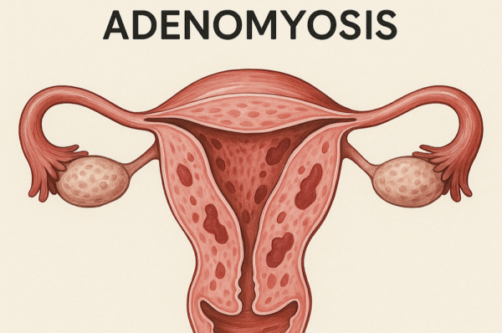
Your Complete Holistic Guide to Managing Adenomyosis
By Dr. Greeva Mankad
Homeopathic Physician | Counsellor | CBT & NLP Practitioner
If you have been diagnosed with adenomyosis, I want you to know one important thing—you are not alone, and this condition does not define your life.
Many women silently tolerate painful periods, heavy bleeding, constant fatigue, bloating, and emotional exhaustion, believing it is “normal.” It isn’t. Your body is trying to communicate that it needs support.
While there is no single lifestyle change that can cure adenomyosis, the right combination of medical care, individualized homeopathic treatment, nutrition, stress management, movement, and emotional wellbeing can often make a meaningful difference in symptom control and overall quality of life.
My aim is always to treat the person as a whole—not just the uterus.
- Nourish Your Body with an Anti-Inflammatory Diet
Your uterus is influenced by hormones, inflammation, nutrition, stress, and overall health. Every meal is an opportunity to support healing.
Include more of:
- Plenty of colourful vegetables every day
- Green leafy vegetables like spinach, fenugreek, amaranth and moringa
- Seasonal fruits such as pomegranate, berries, apples, oranges and papaya
- Whole grains like millets, oats and brown rice
- Good-quality proteins from dals, beans, sprouts, paneer, tofu, eggs or fish
- Healthy fats from flaxseeds, chia seeds, walnuts and almonds
- Iron-rich foods if you experience heavy bleeding, including dates, black raisins, sesame seeds, garden cress seeds (halim), spinach and lentils
- Vitamin C-rich foods alongside iron sources to improve absorption
Reduce as much as possible:
- Refined sugar
- Bakery products
- Deep-fried foods
- Packaged snacks
- Soft drinks
- Excess caffeine
- Alcohol
- Highly processed foods
Hydration matters
Aim for around 2.5–3 litres of water daily unless your doctor has advised otherwise. Proper hydration supports circulation, digestion and overall wellbeing.
- Lifestyle Habits That Help Your Hormones
Healing is not only about medicines. Daily habits have a significant influence on how your body responds.
Try to:
- Sleep for 7½–8½ hours each night.
- Maintain regular meal timings.
- Spend a little time outdoors every day.
- Get gentle morning sunlight when possible.
- Reduce excessive screen time, especially before bed.
- Avoid smoking and limit alcohol.
Even small, consistent improvements are more effective than trying to be perfect.
- Simple Home Care During Painful Days
During a flare-up, your body needs comfort rather than pressure.
You may find relief with:
- A warm heating pad or hot water bag on the lower abdomen
- Warm showers or baths
- Gentle abdominal breathing
- Ginger or chamomile tea if it suits you
- Plenty of fluids
- Rest when your body asks for it
If your bleeding becomes extremely heavy, you feel dizzy, faint, or your pain suddenly becomes severe, seek medical attention promptly.
- Gentle Yoga for Pelvic Health
Movement improves circulation, reduces stiffness and helps relax the pelvic muscles.
On comfortable days, consider practising:
- Butterfly Pose (Baddha Konasana)
- Child’s Pose (Balasana)
- Cat–Cow Stretch
- Supine Bound Angle Pose (Supta Baddha Konasana)
- Gentle pelvic tilts
- Supported Bridge Pose if comfortable
On days of severe pain or heavy bleeding, listen to your body. Gentle stretching or simple breathing exercises may be enough.
Yoga should never increase your pain.
- Mudras & Relaxation Practices
Mudras are traditional yogic hand positions that many people use as part of their relaxation routine. While scientific evidence is limited, they are generally safe when practised comfortably.
You may try:
- Prana Mudra
- Apana Mudra
- Yoni Mudra
Practise them for about 10–20 minutes daily while sitting quietly and breathing slowly.
Remember, these are complementary wellness practices and not replacements for medical treatment.
- Supporting Emotional Balance Through Chakra-Inspired Practices
Many women with chronic pelvic pain also carry emotional stress, fear or frustration. Although chakra concepts come from traditional wellness systems rather than modern medical science, some people find them helpful for mindfulness and emotional wellbeing.
Sacral Chakra (Svadhisthana)
Associated with creativity, emotional flow and the pelvic region.
Helpful practices include:
- Gentle hip-opening stretches
- Butterfly Pose
- Pelvic breathing
- Creative hobbies
- Spending time doing things that bring joy
Root Chakra (Muladhara)
Associated with safety, grounding and stability.
Helpful practices include:
- Grounding meditation
- Walking in nature
- Gentle standing yoga postures
- Maintaining a regular daily routine
Think of these practices as ways to reconnect with yourself rather than as treatments for the disease itself.
- Managing Pain and Symptoms Wisely
One of the biggest mistakes I see is waiting until the pain becomes unbearable before doing anything.
Instead:
- Track your menstrual cycle.
- Notice patterns in pain and bleeding.
- Stay hydrated.
- Eat nourishing meals even during your periods.
- Avoid overexertion during painful days.
- Continue gentle movement if comfortable.
If heavy bleeding is causing tiredness, breathlessness or low haemoglobin, discuss iron evaluation and treatment with your healthcare provider.
- Emotional Wellness Is Part of Healing
Living with adenomyosis can be physically and emotionally exhausting.
You may sometimes feel:
- Frustrated
- Anxious before every period
- Emotionally drained
- Guilty for needing rest
- Worried about fertility or future health
These feelings are understandable.
I encourage my patients to:
- Journal their emotions.
- Practise gratitude.
- Spend time with supportive people.
- Seek counselling when emotional distress becomes overwhelming.
- Remember that asking for help is a sign of strength, not weakness.
A calm nervous system often helps the body cope better with chronic symptoms.
- Positive Daily Affirmations
These affirmations are not a medical treatment, but they can encourage a kinder relationship with your body.
Repeat them slowly each morning or before bedtime:
- My body deserves patience, kindness and care.
- Every healthy choice I make supports my wellbeing.
- I honour my body’s need for rest and recovery.
- I am stronger than this condition.
- Healing is a journey, and I celebrate every small step forward.
- I choose hope over fear.
- A Gentle Daily Routine
A simple routine can make a surprising difference over time.
Morning
- Wake at a consistent time.
- Drink warm water.
- Practise 5–10 minutes of deep breathing.
- Enjoy a nourishing breakfast rich in protein.
Afternoon
- Eat a balanced lunch.
- Stay hydrated.
- Take a short walk if comfortable.
Evening
- Choose a light dinner.
- Gentle stretching or yoga.
- Reduce screen exposure before bed.
Night
- Practise slow breathing or relaxation.
- Read, journal or meditate.
- Aim to sleep at a regular time.
Consistency matters much more than perfection.
- My Message to You
Adenomyosis is not just a condition of the uterus—it can influence your energy, emotions, relationships and confidence.
My approach is always to understand you as a whole person. Along with appropriate medical care, I believe in an individualized plan that may include homeopathy, nutrition, lifestyle guidance, counselling, stress management and mind–body practices.
There is no one-size-fits-all solution. Every woman’s journey is unique, and your treatment should be unique too.
If your symptoms are affecting your daily life, please don’t ignore them or assume they are something you simply have to live with. Early evaluation and a comprehensive, personalized approach can often help you manage symptoms more effectively and improve your quality of life.
Take care of yourself with the same compassion that you offer to everyone else. Your health matters, and you deserve to feel heard, supported and empowered on your healing journey.
Want to know more about what is Adenomyosis? detailed symptoms and Homoeopathic approach, Click here.