
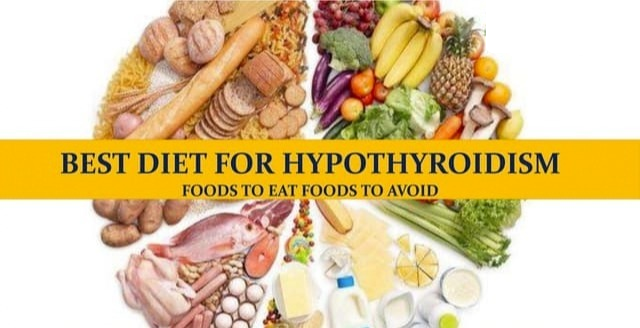
Are you struggling with weight gain, hair fall, and lethargy due to hypothyroidism? Here’s how diet and lifestyle changes, along with homoeopathy medicines, can help you manage symptoms and feel better. Hypothyroidism can disrupt daily life, but small changes make a big difference. From tweaking your meals to adding yoga, we’ll explore natural ways to support thyroid health. Let’s get you feeling balanced and energized! In this article, we’ll explore what hypothyroidism is, detailed dietary tweaks, and key lifestyle tips to help you manage it. Take the first step towards a healthier you. Empower your thyroid health with simple, effective changes.
What is Hypothyroidism? :
Hypothyroidism is when your thyroid gland doesn’t produce enough hormones, making your metabolism slow down. It can cause weight gain, hair fall, fatigue, and more.
Are you confused what to eat in Hypothyroidism? :
So here is the answer, along with homoeopathic medicines, make these diet changes to manage hypothyroidism naturally.
Power Veggies:
- Spinach: Packed with iron, add to smoothies, salads, or sauté. Supports thyroid function with magnesium too.
- Sweet potatoes: Rich in vitamin A, roast or mash them. Keeps energy levels stable.
- Cooked broccoli, cabbage: Steam/sauté to reduce goitrogens. Adds fiber and vitamins.
- Carrots, beets, bell peppers: Thyroid-friendly, add to salads or stir-fries. Boosts antioxidant intake.
Fruits that Help:
- Bananas: Good source of potassium, snack or blend. Easy on digestion too.
- Berries: Antioxidant power, add to oats or yogurt. Fights inflammation.
- Apples: Fiber-rich, grab them anytime. Supports gut health.
- Avocados: Healthy fats, add to salads or toast. Good for hormone balance.
Nuts/Seeds:
- Brazil nuts: Rich in selenium, have 1-2 daily. Supports thyroid hormone production.
- Almonds: Good source of vitamin E, great for snacks. Supports skin health too.
- Pumpkin seeds: Good source of zinc. Boosts immunity.
- Flaxseeds, chia seeds: Packed with omega-3s. Adds fiber to diet.
- Walnuts: Supports brain health. Adds crunch to salads.
Proteins & Others:
- Eggs: Good protein source, boiled or scrambled. Versatile in recipes.
- Fatty fish (salmon): Rich in omega-3s. Supports heart health.
- Quinoa: A healthy grain option, swap in meals. Packed with plant protein.
- Lentils: Plant protein power, add to soups, curries. Rich in fiber too.
- Chickpeas: Protein-rich, use in salads, hummus. Versatile in dishes
Key Micronutrients :
- Iodine: Supports thyroid hormone production – Rich in: Iodized salt, seaweed, dairy, spinach
- Selenium: Converts T4 to T3 – Rich in: Brazil nuts (1-2 daily), mushrooms, spinach, brown rice
- Zinc: Supports thyroid function – Rich in: Pumpkin seeds, chickpeas, lentils, spinach
- Vitamin D: Linked to thyroid health – Rich in: Sunlight, fortified milk, mushrooms, eggs
- Iron: Supports hormone production – Rich in: Spinach, lentils, pumpkin seeds, tofu
- Magnesium: Supports hormone balance – Rich in: Dark greens, nuts, seeds, whole grains
Which food you have to avoid in hypothyroidism? :
- Raw veggies like broccoli, cabbage: Cooking helps! Steam or sauté them to reduce goitrogens that can slow thyroid function.
- Soy stuff like tofu, soy milk: Limit or skip them as they can interfere with thyroid hormone production. Check labels if you’re a regular soy user.
- Packaged snacks, frozen meals: Opt for homemade or healthier options. They’re loaded with unhealthy fats, salt, preservatives – not great for thyroid or overall health.
- Gluten rich foods : If you’re sensitive, try gluten-free options like quinoa bread or rice-based snacks. Some thyroid issues link to gluten intolerance.
- Too much sugar: Cut down on sugary drinks, desserts. Impacts energy, weight, and overall health.
- Excess caffeine: Too much coffee (3-4 cups/day) can mess with thyroid absorption. Try limiting or pairing with food.
- Highly processed meats: Like sausages, hotdogs – cut down. They’re high in preservatives, sodium.
- Excess iodine: Too much seaweed or iodized salt can be harmful. Balance is key – check with a doc for iodine needs.
- Certain nuts in excess: Like peanuts, pine nuts – balance is key. Some nuts are great (like Brazil nuts for selenium), others might impact thyroid if overdone.
Lifestyle modifications to prevent or manage hypothyroidism naturally:
- Move your body (light to moderate)
- Walk, yoga, Pilates 30 min most days → boosts metabolism & mood.
- Strength training 2‑3× week → builds muscle, helps T3 conversion.
*Click here to read more about how exercise, yoga & pranayama help to manage hypothyroidism.
- Sleep
- 7‑8 hours every night.
- Consistent bedtime (10‑11 pm) → better hormone balance.
- Stress‑management
- Deep breathing / meditation 5‑10 min daily.
- Hobbies, music, nature walks — anything that chills you out.
- Stay hydrated
- 2‑3 L water a day (more if you’re active).
- Helps transport hormones and flushes waste.
- Limit goitrogens (raw cruciferous)
- Broccoli, cabbage, cauliflower → cook them (steam/sauté) to reduce impact.
- Check iodine & selenium
- Iodized salt in moderation.
- 1‑2 Brazil nuts daily for selenium (supports T4 → T3 conversion).
- Regular check‑ups
- TSH, T3, T4 blood tests every 6‑12 months (or as doc advises).
- Keep a symptom log — weight, energy, temp, heart rate.
- Avoid smoking & limit alcohol
- Both mess with thyroid function and hormone absorption.
- Sunlight & vitamin D
- 10‑15 min sun exposure (face, arms) a few times a week or vit D supplement if needed.
Conclusion:
Combining homoeopathic medicines with diet & lifestyle modifications can effectively manage hypothyroidism symptoms. Tweaking diet, adding movement, managing stress, and syncing habits support thyroid health, boost energy, and balance hormones. Consult Advik Homoeopathy Clinic & Counseling Center for personalized advice. Take the first step towards a healthier you. Start feeling balanced, energized, and in control. Small changes lead to big results